


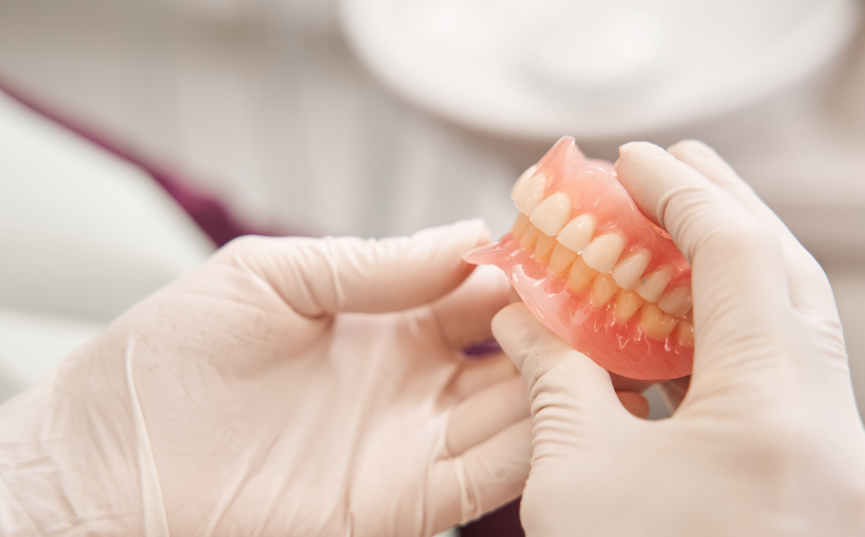
Have you ever taken a bite of your favorite meal only to realize it doesn’t taste quite the same? While dentures can restore your smile and make eating easier, they may also change how you experience certain flavors. Your sense of taste is closely connected to several parts of your mouth, and wearing dentures can affect some of the ways you enjoy food.
The good news is that changes in taste sensation don’t necessarily mean you’ll have to give up your favorite meals. Understanding why these changes happen can help you find ways to make eating enjoyable again.
Can Dentures Affect Your Sense of Taste?
Yes! Although dentures don’t typically cause a complete loss of taste, they can make certain foods seem less flavorful. This is particularly common with traditional upper dentures, which cover much of the roof of your mouth.
Your palate contains sensory receptors that help you experience food’s temperature and texture. While most taste buds are located on your tongue, the roof of your mouth also plays a role in your overall eating experience. When an upper denture covers this area, it can interfere with some of the sensations that contribute to how you perceive food.
Dentures can also affect taste indirectly. For example, changes in saliva production, dry mouth, or irritation from an improperly fitting appliance can make eating less enjoyable.
Why Does Food Taste Different With Dentures?
There are several reasons your favorite foods might taste a little different after getting dentures:
- Reduced sensory feedback: Upper dentures cover the palate, limiting your ability to experience certain sensations associated with food.
- Changes in saliva: Saliva helps dissolve food particles so your taste receptors can detect different flavors. Dry mouth can make it harder to enjoy food.
- Denture materials: Some people notice an unfamiliar taste when they first begin wearing dentures. This sensation often improves as they adjust to their appliance.
- Poor fit: Dentures that shift, rub, or irritate your mouth can make eating uncomfortable and distract from the flavors you’re trying to enjoy.
It’s also worth remembering that adjusting to dentures takes time. Your mouth and brain need an opportunity to get used to the new appliance.
How Can You Improve Your Sense of Taste?
If food doesn’t seem as flavorful as it used to, a few adjustments may help.
First, make sure your dentures fit properly. Ill-fitting appliances can cause irritation and interfere with comfortable eating. Your dentist can evaluate your dentures and recommend adjustments or replacements if necessary.
Staying hydrated is another important step. Drinking enough water throughout the day can help prevent dry mouth and support healthy saliva production. You can also experiment with different herbs, seasonings, and food textures to make meals more enjoyable.
For some patients, switching to implant-supported dentures may be worth considering. Unlike traditional upper dentures, certain implant-supported designs can eliminate the need for a palate-covering plate. This leaves more of your palate exposed, potentially improving taste sensation while providing greater stability when eating.
Enjoy Your Favorite Foods Again
Changes in taste can be an unexpected part of adjusting to dentures, but they don’t have to take the enjoyment out of mealtime. With a comfortable fit and the right restorative solution, you can continue exploring flavors and enjoying the foods you love.
If your dentures are affecting your eating experience, talking with your dentist is a great first step toward finding a solution.
About the Practice
At Cambria Smiles, Dr. Ramandeep Badhan and Dr. Harneet Kaur are committed to providing personalized, high-quality dental care in a welcoming environment. Dr. Badhan earned his Doctor of Dental Surgery degree from New York University and has pursued advanced training in dental implants and fixed prosthodontics, including full mouth rehabilitation. Dr. Kaur brings more than 10 years of clinical experience and a compassionate, patient-centered approach to dentistry. Both dentists prioritize building trusting relationships and helping patients feel comfortable and confident in their care. Together, they offer a range of restorative solutions, including dentures and dental implants, to help patients enjoy healthier, more functional smiles.
Call us at (805) 927-4811 or schedule your appointment online